The EU's security policy is at a crucial juncture with regard to the production of rare earths. With a clear link between trade in these metals and security policy, Sweden's role is increasingly central.
At present, the EU is heavily dependent on imports of rare earths, mainly from China. However, this dependency could change if Sweden intensifies its extraction of these metals. By increasing production, Sweden can not only contribute to its own self-sufficiency but also play a crucial role in reducing the EU's import dependency
The EU's green and digital transitions make the dependence on imports of rare earths even more acute, as they require these metals to enable the transition and new innovation. Therefore, ensuring access to these metals becomes a strategic necessity for all countries that want to participate in this development, which in turn affects global dynamics.
Sweden has strong security policy ties with several countries, which means that increased extraction in Swedish mines is not expected to entail significant security policy risks. On the contrary, having access to rare earths in a geopolitically stable country can be seen as an advantage, which can attract European allies and partners to safeguard Sweden's security.
With increasing global rivalry, these metals could become a new form of "economic weapon," with countries like China using their market dominance as leverage, as happened with Russian oil and gas. Sweden can play a significant role in securing access to rare earths. Reducing dependence on China is therefore becoming a strategic priority for the EU, which is why it is important to boost alternative production outside China, with a focus on cooperation and preparedness. This could be the key to disarming China's leverage in the rare earths trade.
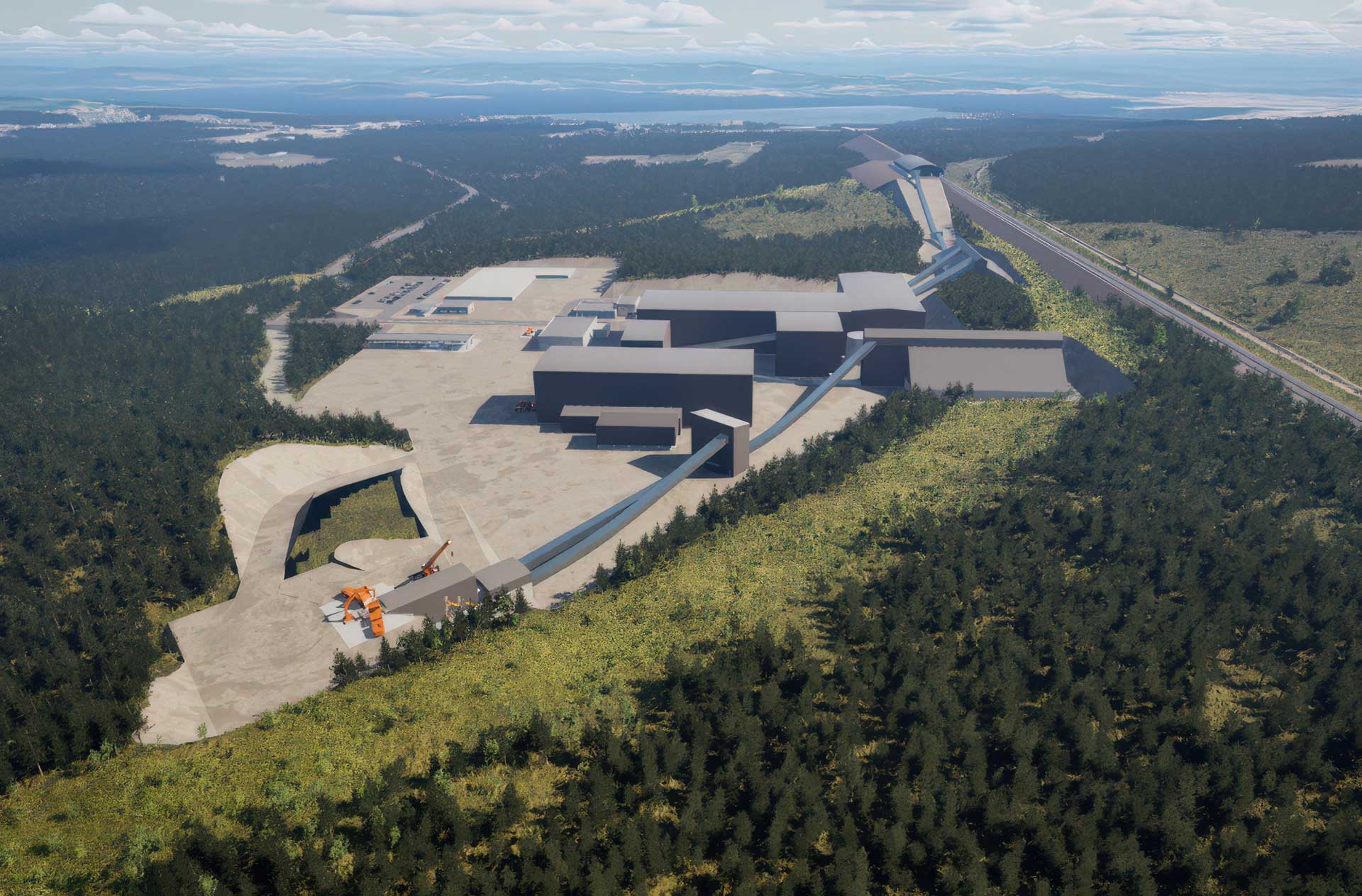
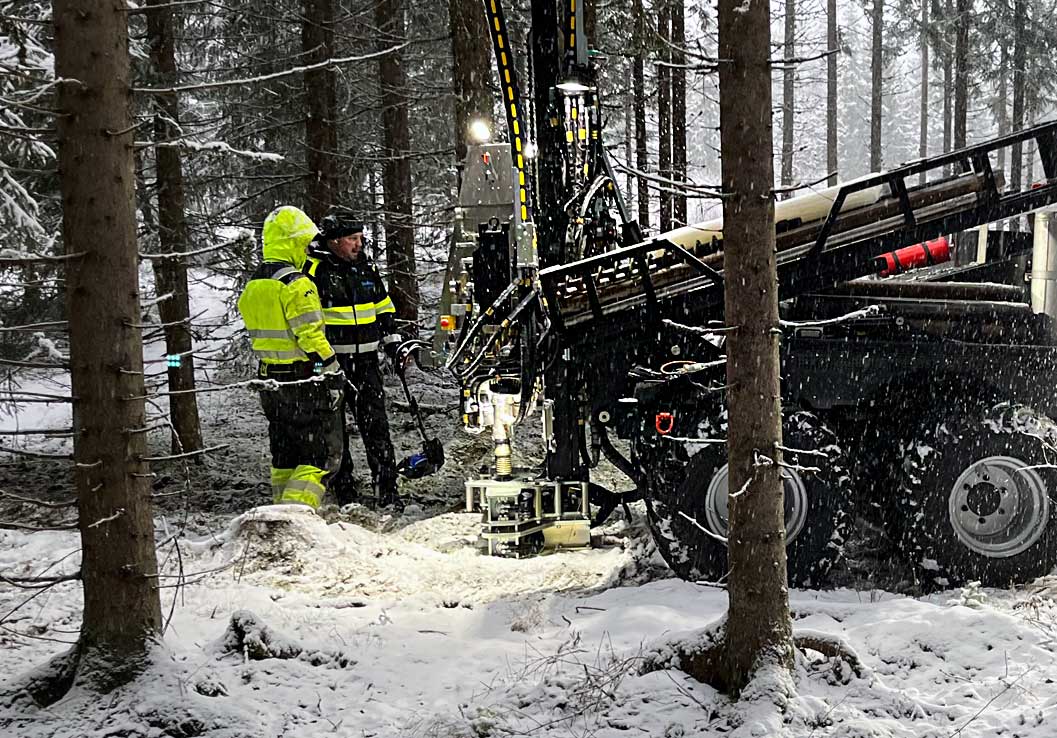
The latest exploration by Nordic Iron Ore has revealed promising results of high grades of rare earth elements mainly dysprosium, neodymium and praseodymium in and around iron ore deposits in Blötberget. This opens up opportunities for sustainable extraction of some of these critical metals, which are crucial for renewable energy technologies and thus the green transition.
Sweden and Nordic Iron Ore stand at the gateway to a new era where its role as a potential rare earth producer can shape not only the path of the economic future but also contribute to stability and security in the global arena.
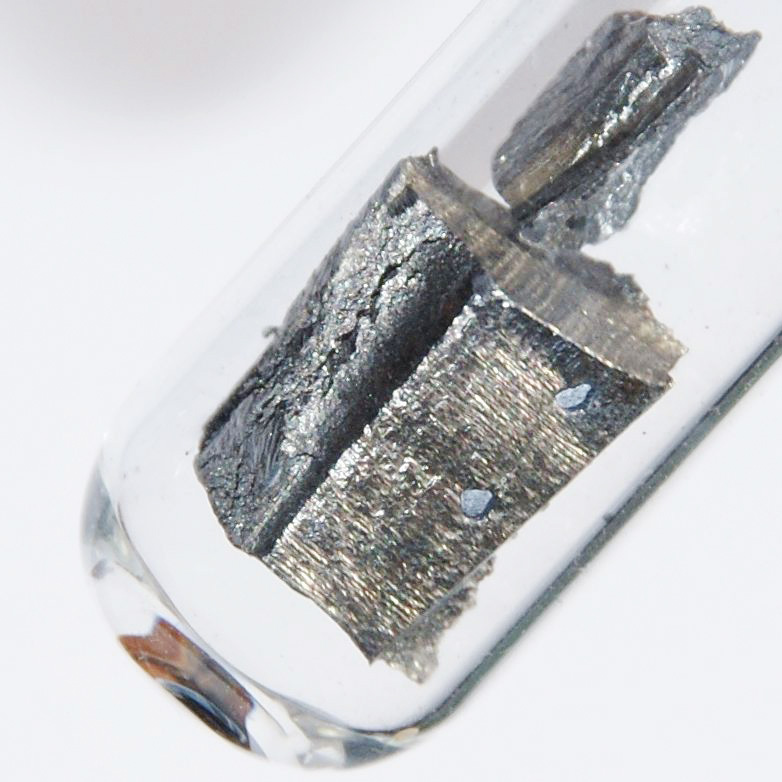
Photo: Creative Commons
Dysprosium, neodymium and praseodymium are metallic elements belonging to rare earth elements. They are critical for creating strong magnets for e.g. aircraft engines, hard disks, wind turbines and electric cars.